Records Review
Bring prior medical records, imaging, and any previous N-648 or denial notice.

Certification Completed to the Standard USCIS Actually Applies
The Causal Link Is What Gets Missed
Families often arrive after a denial, sometimes after two. The pattern is consistent. A form states a diagnosis, perhaps dementia or a stroke, and asserts that the applicant cannot learn English. USCIS rejects it because a diagnosis is not an explanation. The officer needs to understand, in plain non-technical language, precisely how that condition produces the specific inability. Forms are also rejected for medical jargon, for missing the required duration statement, and for describing a condition that does not plausibly prevent learning at all.
A defensible certification does three things. It establishes the diagnosis with the clinical basis for it, including the assessment or testing performed. It then explains the causal chain in language an officer without medical training can follow: which cognitive functions are impaired, how that impairs memory and new learning, and why that makes acquiring English or civics knowledge impossible rather than merely difficult. Finally it states the expected duration, since the exemption requires the impairment to have lasted or be expected to last at least 12 months.

The Exemption and Its Conditions
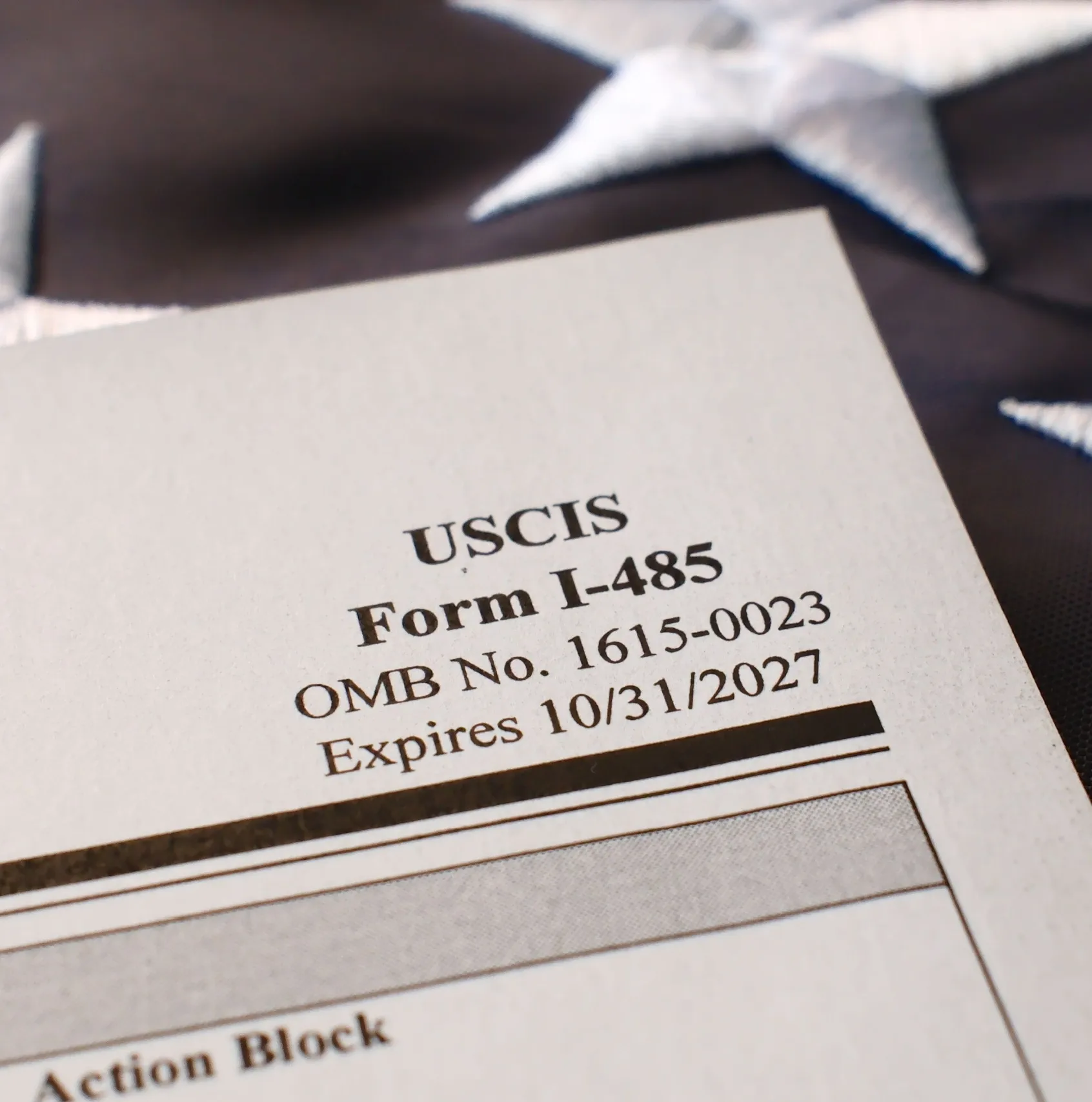
Form N-648, the Medical Certification for Disability Exceptions, is a USCIS form completed by an authorized medical professional. It supports a request to waive the English language and civics requirements for naturalization where a physical or developmental disability or mental impairment prevents the applicant from learning or demonstrating that knowledge.
The impairment must have lasted or be expected to last at least 12 months, and cannot be the direct result of illegal drug use. Crucially, the form must explain the causal connection between the condition and the specific inability, in plain language. The oath of allegiance is not waived by N-648, though it can be modified separately.

What reduces the risk of denial

The link between condition and inability spelled out, not asserted
Written for an immigration officer, not for a medical chart
The 12-month requirement addressed explicitly
Assessment and testing described rather than merely referenced
We tell you upfront if the case is not supportable
Assessment conducted in English or Spanish
Compare Your Options
| Accommodation | What It Waives | Who Completes It | Medical Evidence Needed | Duration Requirement | Covers Oath | Best For |
|---|---|---|---|---|---|---|
| Form N-648 | English and civics requirements | Authorized medical professional | Yes, detailed causal explanation | 12 months or longer | No | Applicants medically unable to learn or demonstrate the material |
| 50/20 and 55/15 Exemptions | English only, civics in your language | No form, age and residence based | None | Not applicable | No | Older applicants meeting age and residence thresholds |
| Disability Accommodation Request | Nothing, adjusts how testing happens | Applicant, on Form N-400 | Sometimes | Not applicable | No | Applicants needing an interpreter, extra time or accessible venue |
| Oath Waiver or Modification | The oath of allegiance | Reviewed by USCIS separately | Yes | Varies | Yes | Applicants unable to understand the oath |

Honest criteria, assessed case by case
The N-648 is for applicants whose medical condition genuinely prevents them from learning English or civics knowledge. Difficulty is not the standard, and age alone does not qualify.
We assess honestly and will tell you if the case is not supportable, because a denied N-648 costs time and can complicate an application. Where a psychiatric condition also needs treatment, psychiatric evaluation in Miami, FL and mental health diagnosis management in Miami, FL are available here.
Bring prior medical records, imaging, and any previous N-648 or denial notice.
Dr. Carmona assesses history, current function, and performs cognitive screening as indicated.
We establish specifically how the condition prevents learning English or civics.
The N-648 is completed in plain language with duration stated, in 5 to 10 days.
If USCIS requests clarification, we respond rather than starting again.

Read this before booking
There is no medical risk to this evaluation, but there are firm limits. We are clinicians, not immigration attorneys, and we do not give legal advice on your naturalization case. We complete the medical certification; the legal strategy belongs to your attorney, and we recommend you have one review the form before filing. We also cannot predict or influence the USCIS decision, which rests entirely with the reviewing officer, and no honest provider will promise approval.
Most importantly, we will not certify what the assessment does not support. If an applicant can learn the material but finds it hard, that does not meet the standard, and a form claiming otherwise is likely to be denied and may raise questions about the wider application. Age by itself does not qualify, and the 50/20 or 55/15 exemptions may serve better without any medical form at all. Impairment resulting directly from illegal drug use is excluded by the form. We say all of this at the outset, because a denial costs your family time you cannot get back. Guidance on PTSD is published by the National Institute of Mental Health.
The clinical evaluation is billed as a psychiatric evaluation and is generally covered by Medicare and most major commercial insurers operating in Miami-Dade, usually costing a specialist copay, because you are being clinically assessed. Completing the N-648 itself is administrative work for an immigration process rather than treatment, so insurance does not cover it and any form fee is out of pocket, quoted before we begin.
We do not charge contingent on approval, since that would compromise the clinical judgment the certification depends on. Self-pay pricing for the evaluation is available in writing. Where the evaluation identifies a condition needing treatment rather than only documentation, ongoing care through mental health diagnosis management in Miami, FL continues under your normal coverage.
Written for how these forms are reviewed
Completed by a clinician USCIS accepts for this form
Written around the reasons officers actually reject forms
60 to 90 minutes with cognitive screening where indicated
Evaluation available in English and Spanish
Answers to what Miami families ask most
The clinical evaluation is usually a specialist copay, since it is billed as a psychiatric evaluation covered by Medicare and most major commercial plans in Miami-Dade. Completing the form is administrative work for an immigration process, so insurance does not cover it and that fee is out of pocket, quoted before we start. We never charge contingent on approval.
Typically five to ten business days after the evaluation. These forms take longer than most paperwork because the causal explanation has to be written carefully in plain language rather than filled in from a template. If your interview date is close, tell us when booking and we will say honestly whether we can meet it.
We cannot promise that, and no honest provider will. N-648 forms are denied more often than approved, overwhelmingly because the causal link between condition and inability was not explained clearly. That is the part we control. The decision belongs entirely to the reviewing USCIS officer, who may also question the form at interview.
The English language and civics requirements for naturalization, if approved. It does not waive the oath of allegiance, which is a separate process that can sometimes be modified or waived on its own. It also does not waive other eligibility requirements such as residence, physical presence, or good moral character.
No, age by itself is not a medical condition and does not qualify. However, age-based exemptions exist separately and may serve you better: the 50/20 and 55/15 rules waive the English requirement based on age and years of permanent residence, with no medical form needed. We will point you there if it applies.
Bring the denial notice, it is genuinely useful. Denials usually cite specific deficiencies, most often an unexplained causal link or excessive medical jargon. A new evaluation and a properly drafted form can address those points. We will also tell you honestly if the underlying case does not meet the standard, which sometimes it does not.
Bring all prior medical records, any imaging or neuropsychological testing, a current medication list, previous N-648 forms and denial notices, the Form N-400 receipt if filed, and your interview date if scheduled. A family member who can describe daily functioning is very helpful, particularly for cognitive conditions.
No. We are clinicians and complete the medical certification only. Legal strategy, filing decisions, and how the N-648 fits your overall case belong to an immigration attorney, and we strongly recommend having one review the completed form before filing. We are happy to coordinate with your attorney with your consent.
Yes, and it is often necessary. For applicants with dementia or significant cognitive impairment, a family member's account of daily functioning is important clinical evidence, since the applicant may not be able to describe their own limitations accurately. Family can also interpret informally, though we can conduct the evaluation in Spanish directly.
Yes. R&C Psychiatry is a bilingual practice and the evaluation can be conducted in Spanish. That is particularly important here, since assessing cognitive function requires testing in the language the applicant actually speaks, and doing it through a family interpreter can distort the findings.
For N-648 we generally recommend in person. The assessment often includes cognitive screening and direct observation of functioning, both of which are more reliable face to face, and USCIS scrutiny of these forms is high enough that the strongest possible evaluation is worth the trip. Follow-up discussion can be remote.
The impairment must have lasted, or be expected to last, at least 12 months. That requirement is explicit on the form and must be addressed directly rather than implied, which is one of the omissions that causes denials. A recent condition expected to improve within a year does not meet this standard.