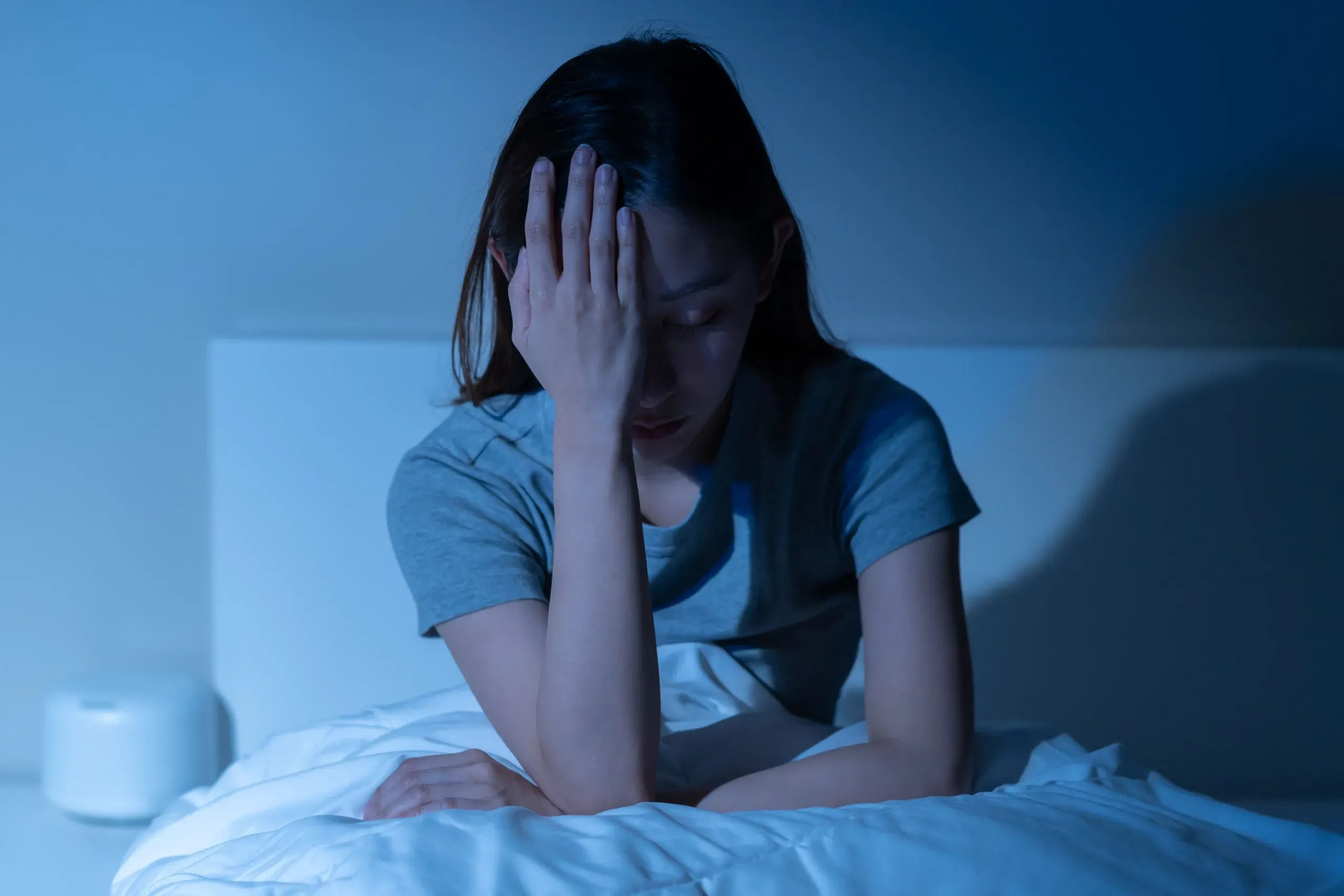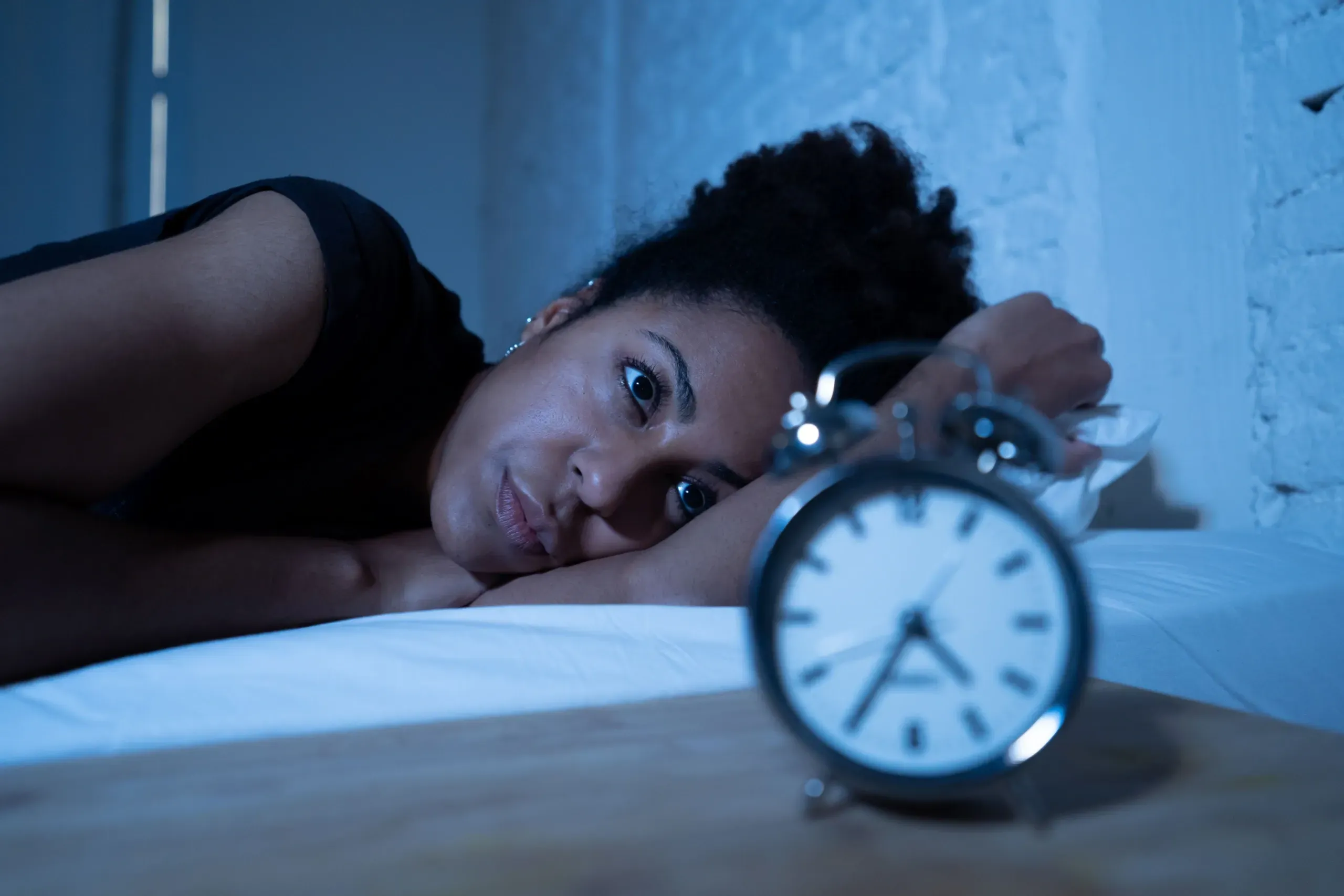


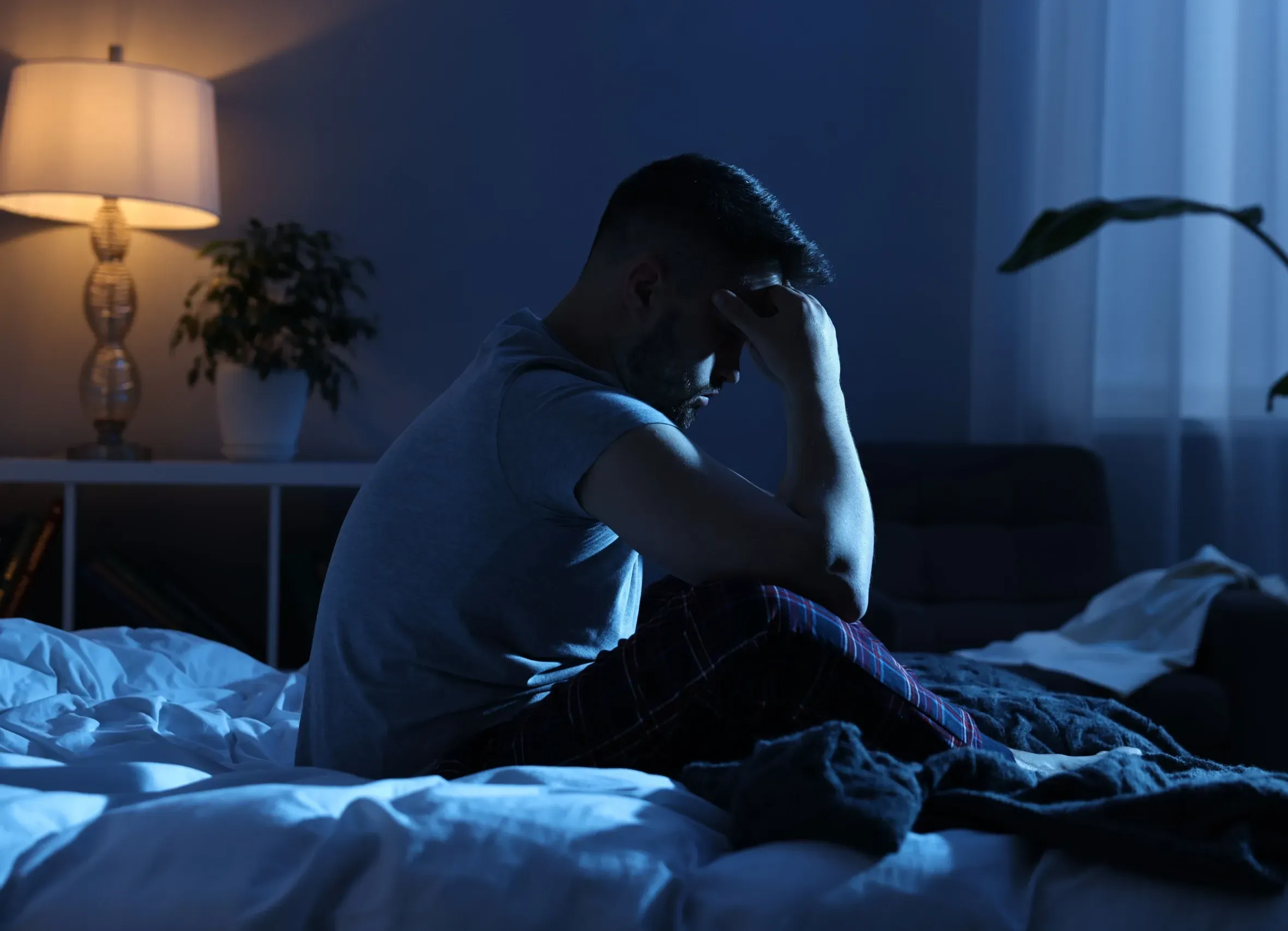
Sleep and mood share the same neurobiological machinery. Serotonin, GABA, norepinephrine, and dopamine all modulate both sleep architecture and emotional regulation, so a disruption in one system almost always affects the other. The National Institute of Mental Health identifies sleep disturbance as both a symptom and a risk factor for major psychiatric disorders.
In depression, REM sleep often arrives earlier in the night and becomes more intense, fragmenting deep restorative stages. In anxiety disorders, sustained sympathetic nervous system activation keeps the brain in a hypervigilant state that blocks sleep onset. In bipolar disorder, reduced sleep need can signal an emerging manic episode, while hypersomnia may mark a depressive phase.
Because of this overlap, treating sleep in isolation rarely works when a psychiatric condition is present. A psychiatric evaluation identifies which underlying conditions are driving the sleep disturbance and guides medication, therapy, and lifestyle adjustments accordingly.