Initial Consultation
Dr. Carmona reviews your history, diagnoses, and medication record to confirm TMS candidacy.
Non-Invasive Relief for Depression and Anxiety
Understanding Neuromodulation
When antidepressants stop working or cause side effects you cannot tolerate, depression and anxiety can feel like a cage you cannot open. Many of our patients describe months or years of low mood, flat energy, foggy concentration, disrupted sleep, and a constant background of worry. You may have cycled through two, three, or more medications, added talk therapy, and still feel like yourself is out of reach. Daily tasks take longer, relationships feel strained, and the thought of trying another pill is exhausting. For patients living with treatment-resistant depression, that loop is not a personal failure, it is a signal that the brain needs a different kind of support.
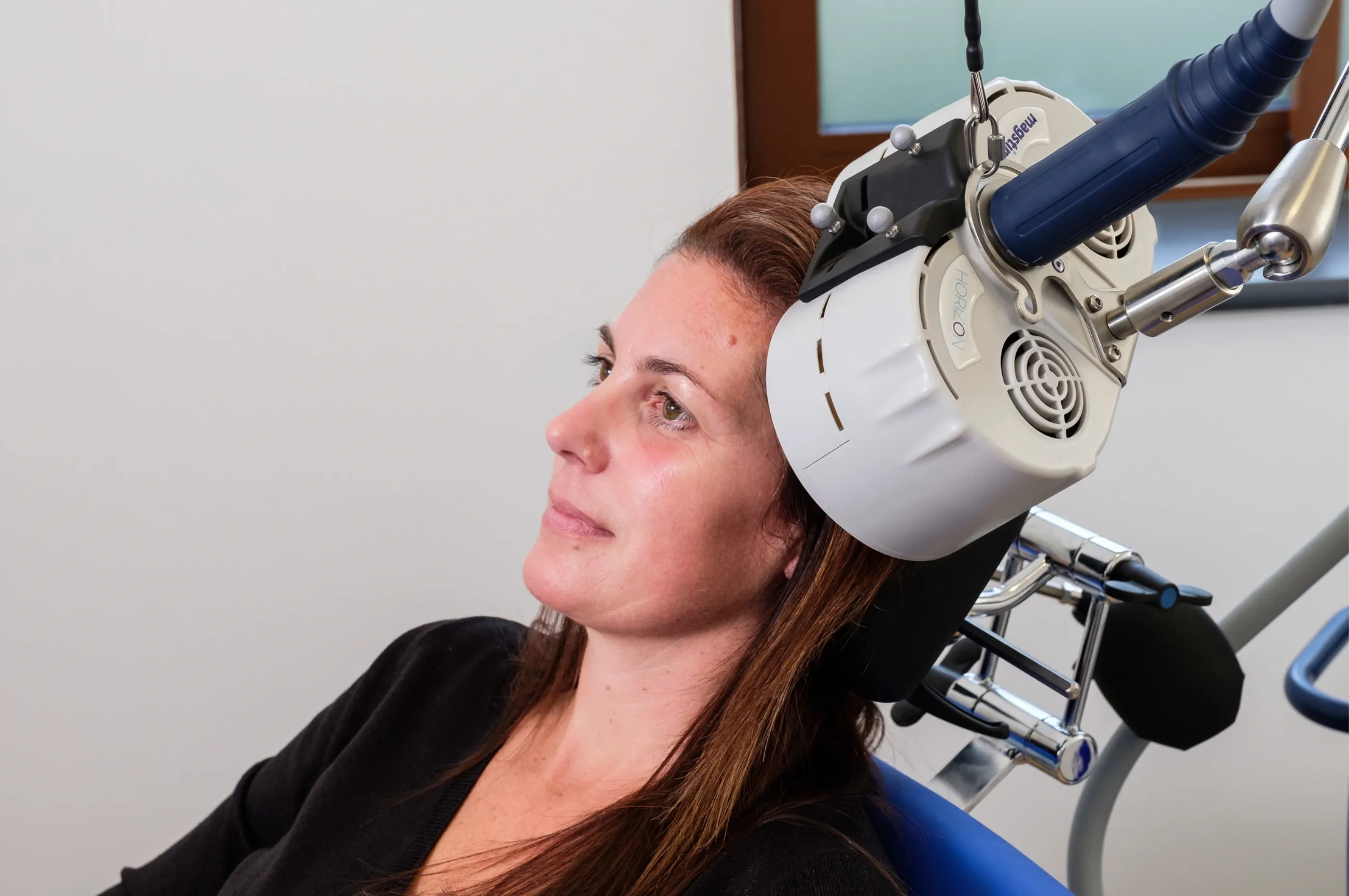
TMS therapy offers a medication-free path forward. Using focused magnetic pulses, TMS gently stimulates the left dorsolateral prefrontal cortex, the mood-regulation hub that tends to be underactive in depression and anxiety. Over a series of short, comfortable sessions, the brain begins to form healthier activity patterns. Patients commonly report lifting mood, calmer thinking, and better sleep within three to six weeks. TMS therapy for depression is FDA-cleared, covered by most major insurers, and requires no anesthesia, no sedation, and no recovery time. You drive yourself home and return to work or family the same day.
The Science of Magnetic Neuromodulation
Transcranial Magnetic Stimulation (TMS) is an FDA-cleared, non-invasive treatment that uses short magnetic pulses to activate nerve cells in brain regions involved in mood, anxiety, and obsessive thinking. Originally cleared for major depressive disorder in 2008, TMS is now indicated for anxious depression, OCD, and smoking cessation. According to the FDA clearance for TMS therapy, these systems are regulated Class II devices backed by decades of clinical evidence.
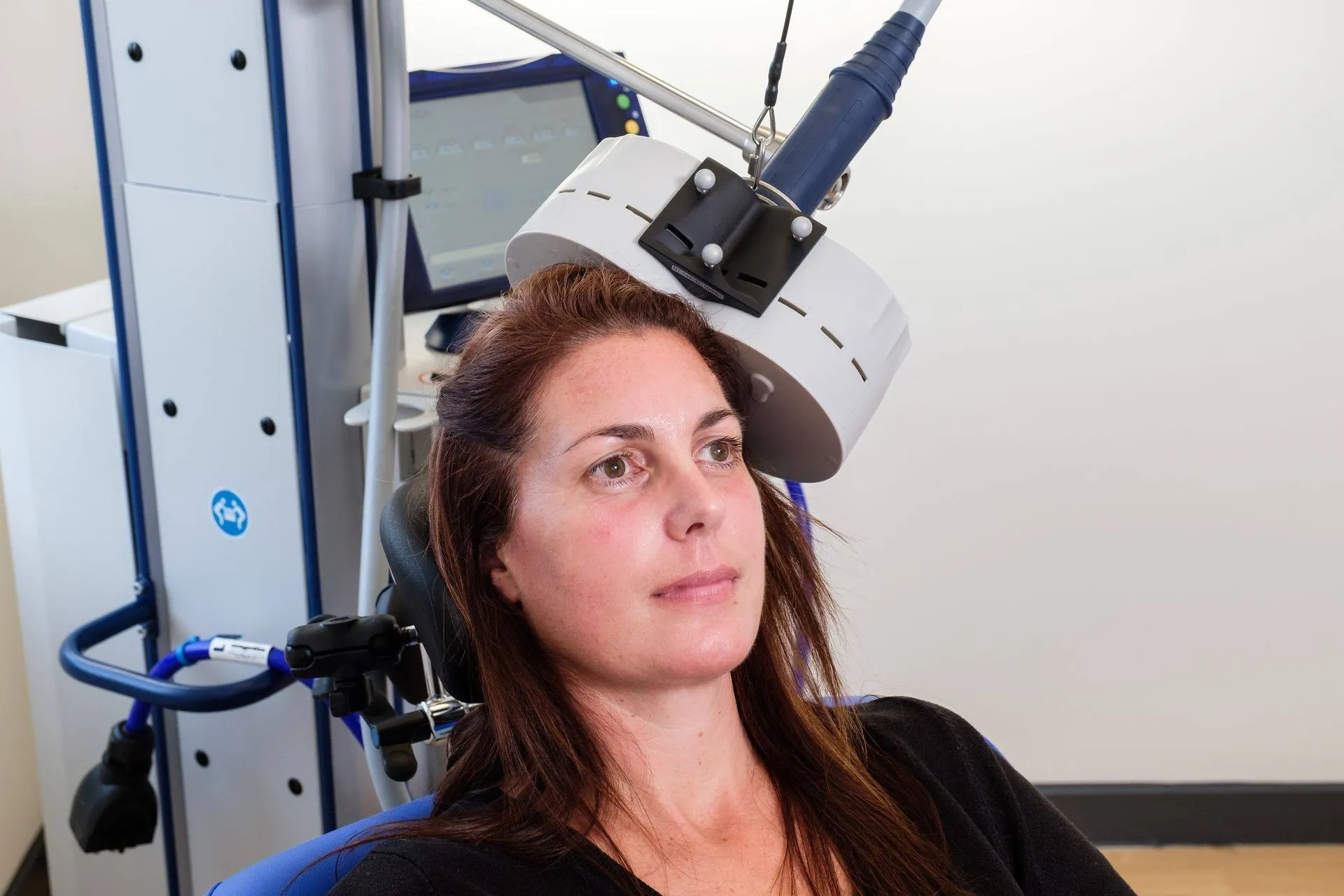
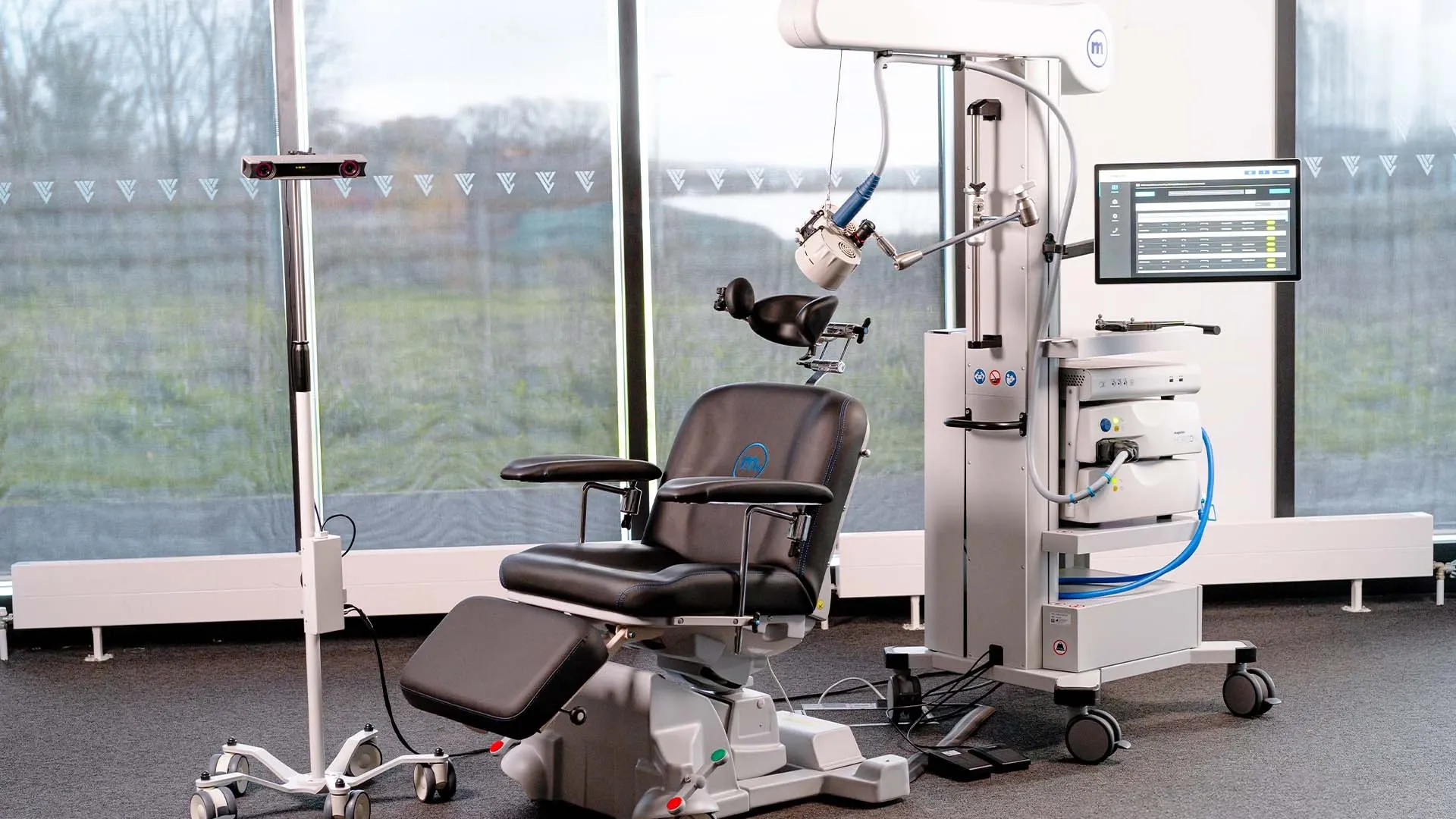
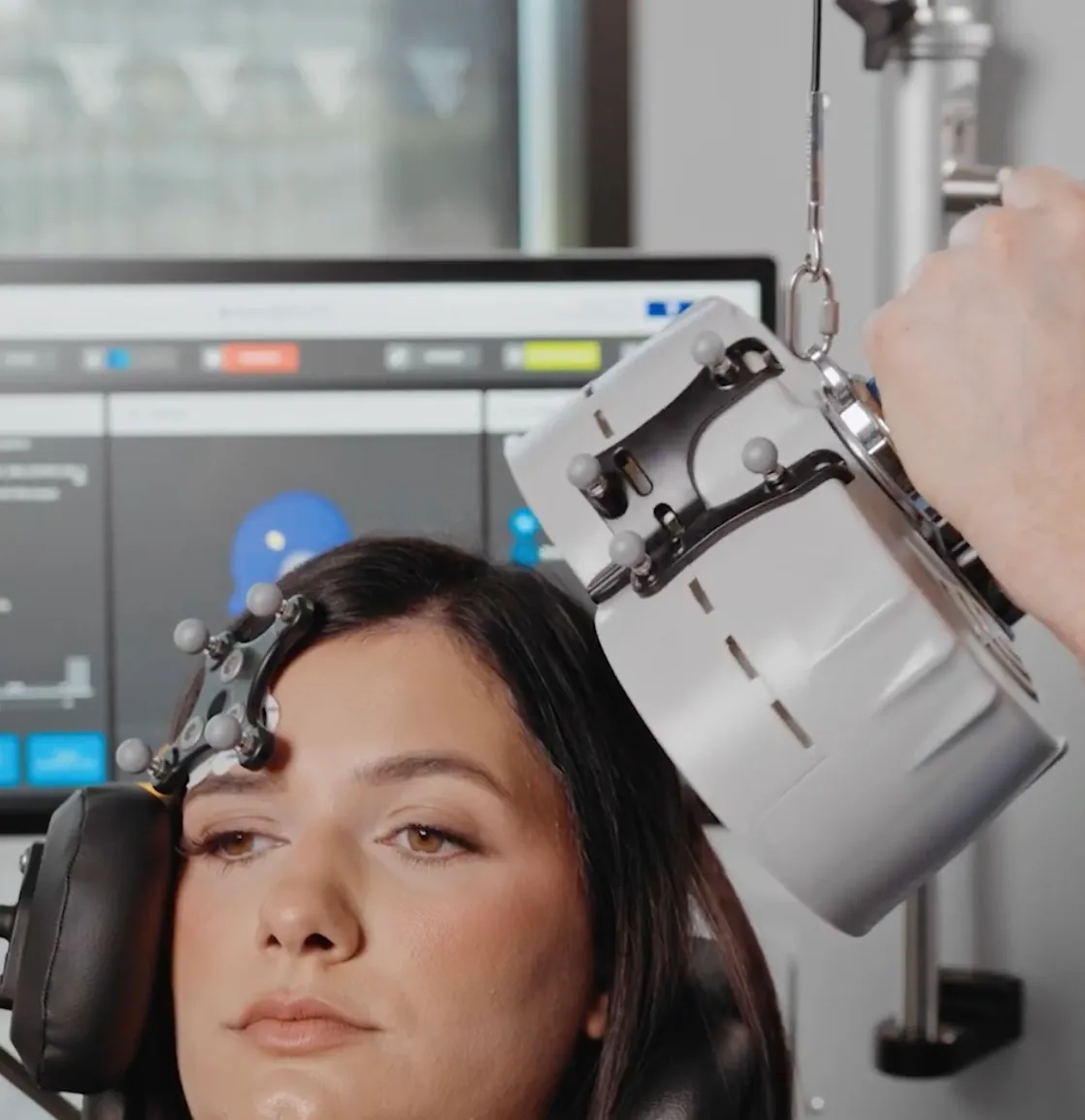
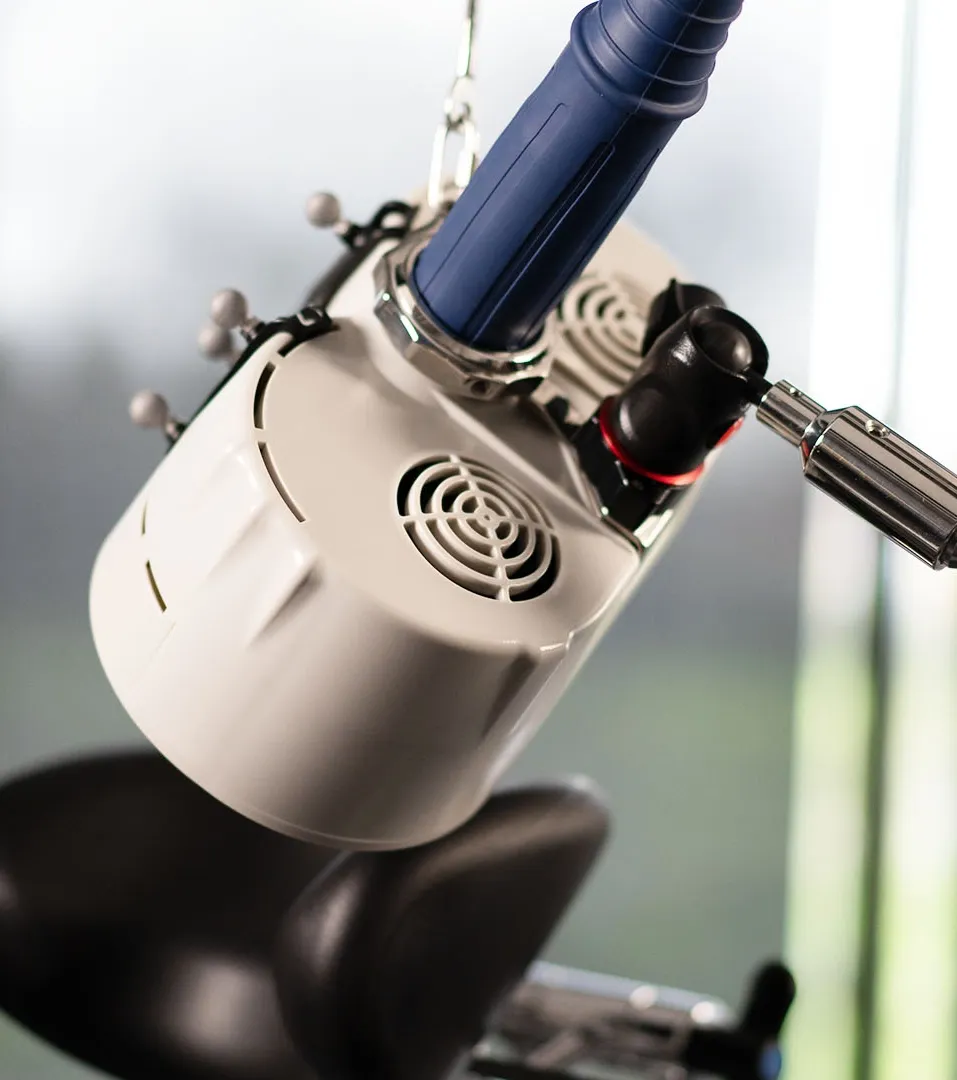
A treatment coil rests gently against the scalp over the left dorsolateral prefrontal cortex. The coil delivers focused magnetic pulses (about the strength of an MRI) that cross the skull painlessly and induce small electrical currents in underactive mood-regulating neurons. Over repeated sessions, this process, called long-term potentiation, strengthens healthy neural circuits. The National Institute of Mental Health (NIMH) reports that major depressive disorder affects more than 21 million U.S. adults each year, and roughly one in three does not respond to first-line antidepressants, a gap TMS is specifically designed to address.
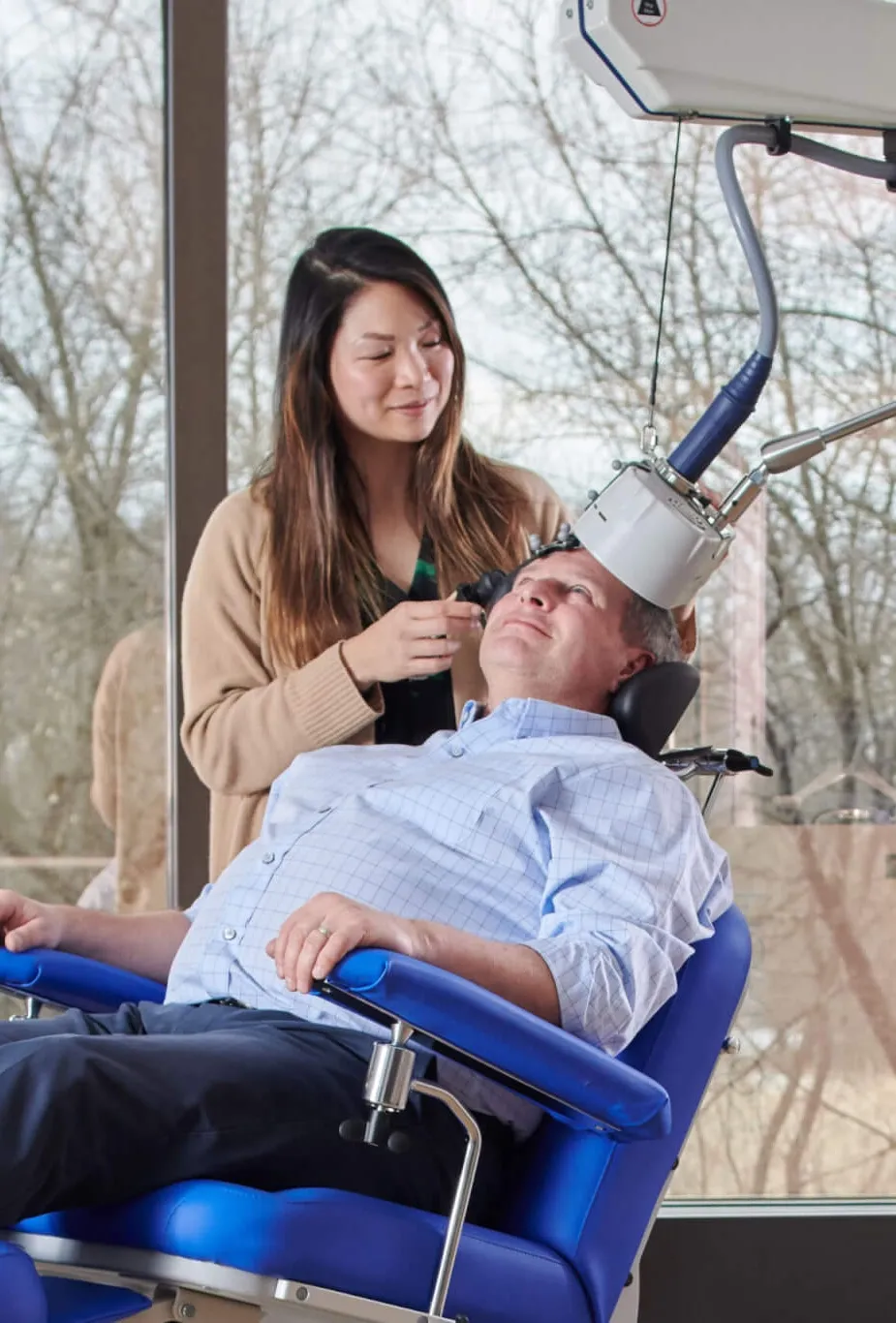
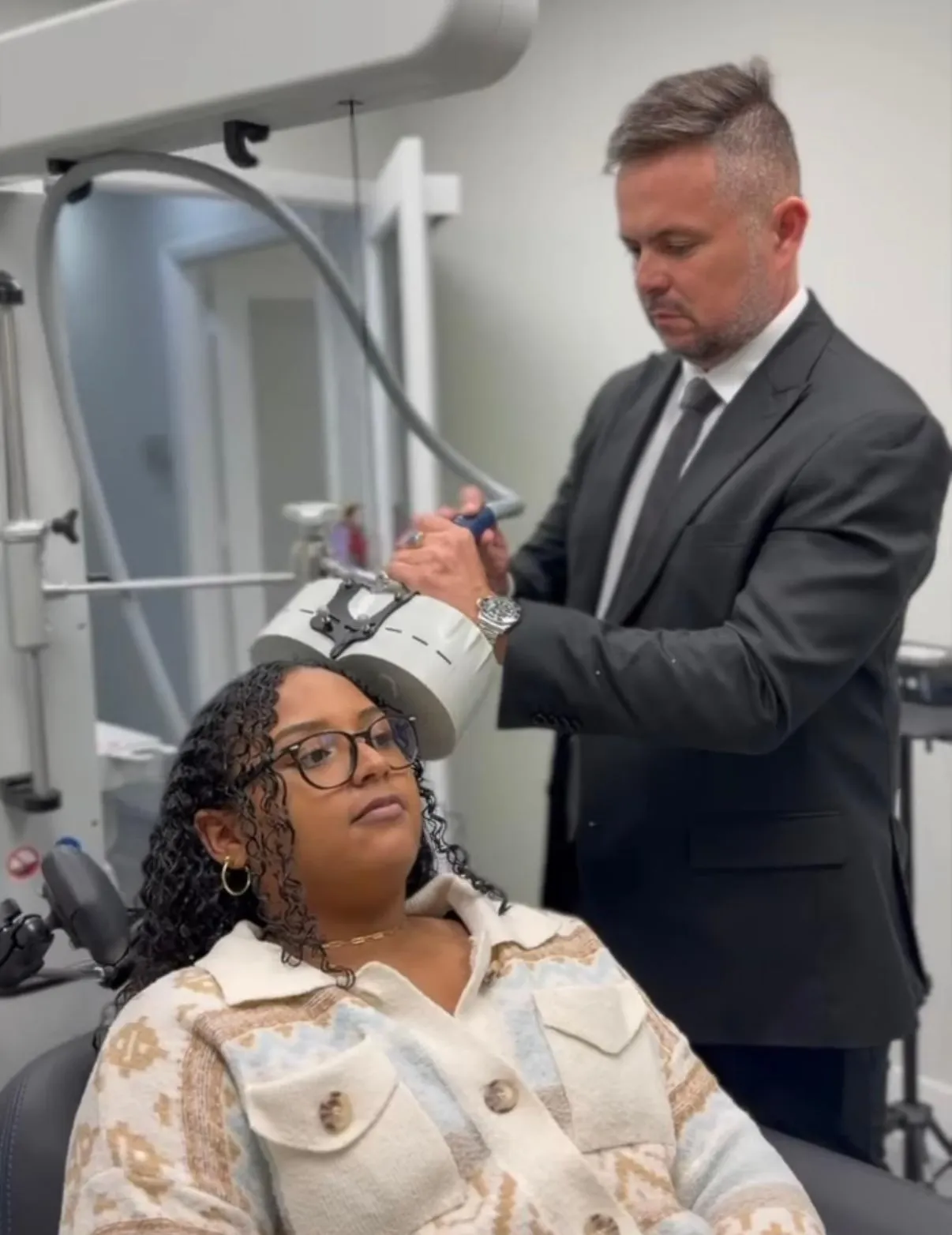
You sit in a comfortable reclining chair, fully awake. The technician positions the coil, delivers pulses for 20 to 40 minutes, and you can read, listen to music, or talk. No IV, no sedation, no downtime.
Most patients notice improvement by week three or four, with peak response around week six. Benefits often last 12 months or longer, and maintenance sessions can extend remission. For patients who want next-generation precision, we also offer Exomind, our advanced TMS system featuring AI-guided targeting for faster response times.
Medication-Free Relief
Avoids weight gain, sexual side effects, and sedation common with pills
Cleared for depression, anxious depression, OCD, and smoking cessation
Drive home and return to work or school the same day
Benefits often extend 12 months or longer after a full course
Most major plans cover TMS for eligible depression diagnoses
No anesthesia, no needles, no hospital stay required
Compare Your Options
| Treatment | Mechanism | Time per Session | Sessions Needed | Results Timeline | Downtime | Best For |
|---|---|---|---|---|---|---|
| TMS Therapy | Magnetic pulses to prefrontal cortex | 20-40 minutes | 30-36 sessions | 3-6 weeks | None | Treatment-resistant depression, anxiety |
| Exomind | AI-guided targeted TMS by BTL | 15-20 minutes | 6-8 sessions | 2-4 weeks | None | Faster neuromodulation response |
| Spravato (Esketamine) | NMDA receptor nasal spray | 2 hours monitored | 8-12+ visits | Days to 2 weeks | 2 hours in-clinic | Treatment-resistant depression, acute |
| Oral Antidepressants | Daily systemic medication (SSRI, SNRI) | Daily at home | Ongoing daily | 4-8 weeks | None, but side effects | First-line mild to moderate depression |
Finding Your Best Path to Relief
TMS therapy is ideal for patients 15 and older who have not achieved full relief from antidepressant medication or psychotherapy and who want a non-invasive option with minimal side effects. A thorough psychiatric evaluation confirms candidacy and rules out contraindications before the first session.
Absolute contraindications are rare. Dr. Carmona and our team review your imaging, medication list, and medical history before clearing you to begin, consistent with NIMH safety guidance on brain stimulation therapies.
Dr. Carmona reviews your history, diagnoses, and medication record to confirm TMS candidacy.
The clinician calibrates motor threshold and positions the Exomind coil over the prefrontal cortex.
You receive 20-40 minute pulse sessions five days a week for roughly six weeks.
We track PHQ-9 and GAD-7 scores weekly and fine-tune protocol based on response.
After the acute course, Dr. Carmona plans maintenance visits and integrative mental health support.
What to Know
Most reactions are mild and temporary. Patients most commonly report scalp discomfort or tapping sensation at the coil site (about 30 to 40 percent in early sessions, typically resolving within the first week), mild headache that responds to over-the-counter analgesics (20 to 25 percent), facial muscle twitching during pulses, and brief lightheadedness after standing. These effects usually fade as you adapt to the treatment.
Seizure is the most serious documented risk and remains rare, with an estimated incidence of less than 0.1 percent per patient in modern protocols. Temporary hearing changes can occur if earplugs are not worn, which is why our team provides protective hearing equipment at every session. Mania induction is also rare and is screened for in patients with bipolar spectrum disorders.
TMS was first FDA-cleared for major depressive disorder in 2008, with expanded clearances for anxious depression (2021) and OCD. R&C Psychiatry follows published FDA guidance on coil placement, dose, and patient screening, and Dr. Carmona's TMS certification ensures every session follows evidence-based safety protocols.
A full TMS therapy course in the South Florida market typically ranges from $6,000 to $12,000 for 30 to 36 sessions, depending on protocol (standard vs. accelerated), device (standard TMS vs. Exomind), and session count. Most major insurance plans cover TMS for qualifying diagnoses, which can reduce your out-of-pocket cost to copays and deductibles only. Final pricing is confirmed during your consultation after benefits are verified.
R&C Psychiatry is in-network with most major Florida insurers for TMS when medical necessity criteria are met, usually a major depressive disorder diagnosis with documented trials of at least two antidepressants. Our team handles prior authorization paperwork on your behalf.
For patients without insurance coverage or who want a faster start, we offer flexible self-pay options:
Combination pricing is available when TMS is paired with psychiatric evaluation and medication management.
South Florida's Trusted Provider
Advanced BTL neuromodulation with AI-guided targeting for faster response
Prescribers and therapists collaborate under one Pembroke Pines roof
All six providers are Spravato and TMS certified for complex cases
Full English and Spanish care for diverse South Florida families
Your Questions Answered
TMS therapy is an FDA-cleared, non-invasive treatment that uses targeted magnetic pulses to stimulate mood-regulating regions of the brain. It is used for depression, anxious depression, and OCD when medications have not worked.
A treatment coil sits gently against the scalp and delivers magnetic pulses that induce tiny electrical currents in underactive prefrontal neurons. Over repeated sessions, this strengthens healthy mood circuits.
Yes. In 2021 the FDA cleared TMS for anxious depression, and many patients at R&C Psychiatry report calmer thinking and reduced worry alongside mood improvement within three to six weeks.
Most major insurers cover TMS for major depressive disorder after two failed antidepressant trials. Our team verifies your benefits and handles prior authorization before treatment begins.
A standard course is 30 to 36 sessions, typically five days a week for six weeks. Accelerated protocols using Exomind may shorten the course to as few as six to eight sessions.
Most patients describe a light tapping sensation on the scalp. Some mild discomfort is common in the first week, then fades. No sedation or numbing is needed.
Many patients maintain remission for 12 months or longer after a full course. Maintenance sessions can extend benefits, and relapses typically respond well to a repeat course.
Yes. TMS pairs well with psychotherapy, medication management, and, for certain patients, Spravato. Dr. Carmona builds an integrated plan based on your diagnosis and response.